Waxing Before & After Care
Proper pre and post-wax care is the difference between an okay waxing treatment and a genuinely great one. The wax does the obvious bit — removing the hair — but it's the prep beforehand and the aftercare afterwards that determine whether the skin is calm or raging, whether ingrown hairs become a problem, and whether your client (or you) walk away comfortable or sore. Our pre and post-wax care collection brings together professional-grade cleansers, oils, lotions, soothing gels, ingrown hair treatments and protective powders in one place. Whether you're a working therapist running a treatment room or a confident home waxer wanting proper salon results, this is where you'll find the supporting products that make every wax treatment work the way it's supposed to.
Why pre and post-wax care genuinely matters
The chemistry of waxing is simple: the wax adheres to the hair, you lift it off, the hair comes with it. The complications are everything around that core action. If the skin is oily, sweaty, or covered in moisturiser residue, the wax can't grip the hair properly — it sticks to skin instead, causing pain and patchy removal. If the skin isn't dehydrated and prepped, you'll see more redness and more reaction post-treatment. If post-wax aftercare isn't done properly, you'll see ingrown hairs, breakouts, prolonged redness, and in worst cases, folliculitis or skin infections.
The right pre and post-wax routine takes ten extra minutes per treatment but transforms the result. Skin is calmer, less reactive, less prone to ingrown hairs, and recovers faster. For salon therapists, this directly translates to happier clients and stronger rebooking rates. For home users, it's the difference between dreading your next wax and looking forward to it.
Pre-wax care: prep the skin properly
Pre-wax cleansers and sprays
The first step in any waxing treatment. Pre-wax cleansers gently remove the day's accumulation of body lotion, sun cream, deodorant, sweat, dirt and excess sebum from the skin surface — anything that would interfere with the wax gripping the hair properly. They typically contain mild antibacterial agents to reduce the risk of bacteria entering the freshly opened follicles after waxing, plus light moisturising ingredients that prepare the skin without leaving residue. Apply to clean dry skin with a cotton pad or lint-free cloth, allow to dry, then proceed with waxing.
Pre-wax oils
Particularly important when using hot wax, hard wax or stripless wax. Pre-wax oil creates a thin barrier between the wax and the skin, allowing the wax to grip the hair without sticking to skin in the same way. The result is significantly less pulling on the skin during removal, less pain, less redness, and easier cleanup. Counter-intuitively, oil under wax doesn't reduce wax effectiveness — it actually improves it by ensuring the wax bonds only to where you want it to. Most professional therapists doing intimate waxing use pre-wax oil as standard.
Pre-wax powder
The third prep option, used to absorb residual moisture and oil from skin that's particularly damp, sweaty, or oily. Apply lightly with a cotton pad to dust the skin before waxing — the powder absorbs ambient moisture and gives the wax a clean dry surface to grip the hair properly. Useful in humid salon conditions, on clients who sweat readily, or on naturally oily skin types where the wax otherwise struggles to bond.
Post-wax care: calm and protect
Post-wax oils
The first job after waxing is removing wax residue from the skin. Post-wax oils dissolve and lift any remaining wax cleanly without scrubbing or pulling at freshly waxed (and slightly sensitive) skin. Most professional post-wax oils also contain soothing botanical ingredients (chamomile, calendula, jojoba, vitamin E) that calm redness and reduce inflammation. Apply generously to a cotton pad and gently wipe across the treated area, repeating until clean.
Post-wax lotions and soothing gels
The calming step. After wax residue is removed, soothing post-wax lotions or gels deliver hydration and ingredients designed specifically to reduce post-treatment redness, calm irritation and support skin recovery. Aloe vera, allantoin, panthenol, and witch hazel are the most commonly used soothing actives — properly evidence-backed ingredients that genuinely reduce redness and reactive flushing. Apply within minutes of completing the wax treatment for maximum effect.
Cooling and antiseptic post-wax sprays
Quick-application alternative to lotions, particularly useful for body areas or large surface treatments where rubbing in a cream is impractical. Cooling sprays often contain menthol, mint or camphor for an immediate cooling sensation that reduces post-wax burning, plus antiseptic ingredients to protect freshly opened follicles from bacteria.
Ingrown hair treatments
Properly important and often the difference between waxing being a regular routine and waxing being a frustrating cycle of bumps and breakouts. Ingrown hairs happen when hair grows back into the follicle (or sideways under the skin surface) instead of breaking through cleanly. They appear as small inflamed red bumps, sometimes pus-filled, often itchy or sore. Anyone who waxes regularly knows the problem.
Ingrown hair treatments work in two ways: chemical exfoliation (using ingredients like glycolic acid, salicylic acid or lactic acid) to gently dissolve the dead skin cells that trap hairs under the surface, and physical exfoliation through regular dry-brushing or scrubbing. Used 2-3 times per week between wax appointments, a proper ingrown hair treatment dramatically reduces the frequency of bumps and breakouts. For clients who've struggled with ingrown hairs for years, switching to a regular treatment routine often genuinely transforms their waxing experience.
Post-wax balms for sensitive areas
Specialist soothing balms designed for the most sensitive treatment areas — bikini line, intimate areas, underarms, and facial waxing zones. Often include zinc oxide for skin barrier support, colloidal oatmeal for inflammation reduction, or specific calming actives like centella asiatica. Worth keeping in any salon kit for clients with reactive skin or for treatments where extra soothing matters.
Building the proper waxing aftercare routine
For best results, aftercare doesn't stop at the end of the treatment. The 24-48 hours after waxing is when the skin is most reactive, and the days and weeks between waxes are when ingrown hair prevention happens. The proper at-home routine looks like:
- Immediately post-wax — apply post-wax oil or soothing lotion. Avoid hot showers, saunas, gyms, swimming pools and tight clothing for the first 24 hours.
- For the first 48 hours — avoid perfumed products, exfoliants, retinoids, and any active skincare on the treated area. Wear loose-fitting cotton clothing where possible.
- From day 3 onwards — start gentle exfoliation 2-3 times per week using either a chemical exfoliant (ingrown hair treatment with glycolic or salicylic acid) or a gentle physical scrub or dry-brushing routine.
- Daily — moisturise the treated area to keep skin healthy and supple, which reduces ingrown hair formation. Look for non-comedogenic moisturisers that won't block follicles.
- Between appointments — continue exfoliating regularly. Most ingrown hairs form 7-14 days after waxing as the new hair starts to grow back. Consistent exfoliation during this window is what prevents them.
- Before your next wax — exfoliate the day before your appointment to lift any dead skin and minimise the risk of ingrown hairs after the next treatment.
Frequently asked questions
What should I use before waxing?
Always start with a pre-wax cleanser to remove oil, lotion residue and sebum from the skin surface. For hot wax or hard wax treatments, follow with a pre-wax oil to create a barrier between wax and skin. For very oily or sweaty skin, dust lightly with pre-wax powder. Skin should be clean, dry, and properly prepped before any wax goes on.
How do I prevent ingrown hairs after waxing?
Three things in combination: regular gentle exfoliation 2-3 times per week (chemical exfoliants with glycolic or salicylic acid work better than scrubs for ingrown hair prevention specifically), daily moisturising of the waxed area to keep skin supple, and avoiding tight friction-causing clothing on the affected zones. Most ingrown hairs form 7-14 days after waxing — that's the critical window for consistent exfoliation. If you wax regularly and are prone to ingrowns, treat exfoliation as non-negotiable rather than optional.
How long does post-wax redness last?
For most people, post-wax redness fades within 1-3 hours after treatment. On sensitive skin, some flushing can persist 12-24 hours. Properly applied soothing lotions or gels significantly reduce both the intensity and duration of redness. If redness lasts longer than 48 hours or is accompanied by significant swelling, raised welts, or pus formation, consult a doctor — that's beyond normal post-wax response and could indicate an infection or allergic reaction.
Can I shower after waxing?
Yes, but with sensible adjustments. Avoid hot showers for at least 24 hours — warm water only. Avoid harsh soaps, perfumed shower products, body scrubs, or anything containing fragrance or active ingredients on the freshly waxed area. Pat dry rather than rubbing. Avoid saunas, hot tubs, swimming pools, and hot baths for at least 24-48 hours.
Should I exfoliate before waxing?
Yes — gentle exfoliation 24-48 hours before waxing genuinely improves results. It removes dead skin cells that can trap hairs and cause patchy waxing, and reduces the risk of ingrown hairs after the next treatment. Don't exfoliate immediately before waxing (skin should be clean and prepped, but not freshly stripped) and don't exfoliate aggressively — gentle is properly enough.
What ingredients should I look for in post-wax aftercare?
For soothing: aloe vera, allantoin, panthenol, chamomile, calendula, witch hazel, centella asiatica. For ingrown hair prevention: glycolic acid, salicylic acid, lactic acid in low concentrations (start at 2% and build up). For barrier support: ceramides, niacinamide, zinc oxide. Avoid fragrance, alcohol-heavy formulas, retinoids, and harsh scrubs in the first 48 hours after waxing — these can irritate freshly waxed skin.
Are pre and post-wax products necessary at home?
If you wax at home regularly, yes — they make a properly noticeable difference to comfort and results. The cost-per-use is low (a 250ml bottle of pre or post-wax product lasts months), and you'll see fewer ingrown hairs, less redness, less irritation, and longer-lasting smooth results. Skipping aftercare to save money is a false economy because you'll spend more on treating ingrown hairs and damaged skin than you would have saved.
Can I use regular skincare products instead of waxing-specific aftercare?
Some yes, some no. A gentle aloe vera gel from your skincare routine works fine as a soothing post-wax product. A glycolic acid toner can work as an ingrown hair treatment between waxes. But avoid anything with fragrance, retinoids, vitamin C, or strong actives in the first 48 hours after waxing — these can cause significant irritation on freshly waxed skin. When in doubt, dedicated waxing aftercare products are formulated specifically for the post-treatment skin condition and are the safer choice.
How often should I exfoliate to prevent ingrown hairs?
2-3 times per week is the sweet spot for most people. Daily exfoliation can over-strip the skin and cause irritation. Once a week often isn't enough to prevent ingrowns from forming. Build up gradually if you're new to regular exfoliation — start with twice a week and assess how your skin responds before increasing frequency.
Shop the pre and post-wax care collection
Browse the full range of professional pre and post-wax care products below. For complete waxing setups, explore the wider professional waxing collection — including wax heaters, warm and crème wax, hot wax and sugaring, roller wax cartridges and wax strips. Free UK delivery on all orders.
-
S-PRO Aloe Vera & Lavender After Wax Oil 500ml
Vendor:S-ProRegular price £14.99Regular price -
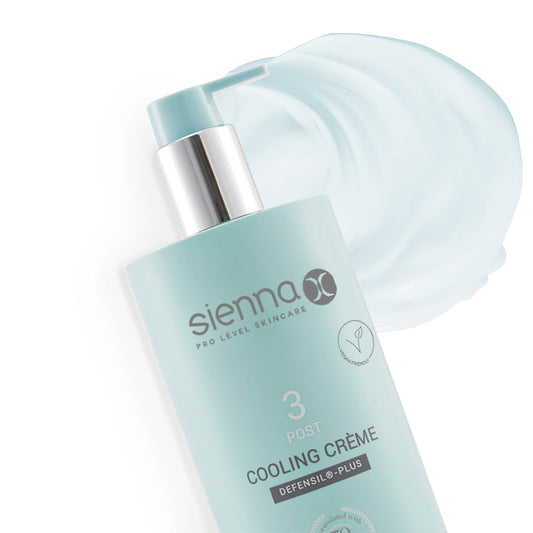
Sienna X Post Wax Cooling Creme 500ml
Vendor:Sienna XRegular price £21.92Regular price -
Sienna X Pre & Post Wax Soothing Oil 500ml
Vendor:Sienna XRegular price £21.92Regular price -
Hive Pre Wax Cleansing Spray Coconut and Lime 400ml
Vendor:HiveRegular price £14.66Regular price -
Kaeso Prep & Cleanse Pre Wax Spray 495ml
Vendor:KaesoRegular price £14.48Regular price -
Hive Pre Wax Cleansing Spray 400ml
Vendor:HiveRegular price £14.60Regular price -
Lotus Pre Wax Intimate Wipe Sachet 2ml
Vendor:LotusRegular price £9.08Regular price -
Hive Apricot Pre Wax Cleansing Gel 500ml
Vendor:HiveRegular price £14.78Regular price -
Hive Superberry Blend Pre Wax Cleansing Spray 400ml
Vendor:HiveRegular price £14.84Regular price -
Just Wax Sensitive Pre Wax Cleanser 500ml
Vendor:Just WaxRegular price £14.48Regular price -
Hive Superberry Blend After Wax Lotion 400ml
Vendor:HiveRegular price £14.66Regular price -
Australian Bodycare Professional After Wax Lotion - 1 Litre
Vendor:Australian BodycareRegular price £38.97Regular price -
Hive After Wax Treatment Lotion with Tea Tree Oil 4000ml
Vendor:HiveRegular price £29.48Regular price -
Hive After Wax Treatment Lotion with Tea Tree Oil 400ml
Vendor:HiveRegular price £14.18Regular price -
Hive After Wax Treatment Lotion Coconut and Lime 400ml
Vendor:HiveRegular price £14.48Regular price -
Hive After Wax Cooling Gel 150ml
Vendor:HiveRegular price £15.38Regular price