Cutting Combs
Cutting combs are the unsung hero of every professional hairdresser's kit. Without the right comb, even the best scissor in the world can't deliver a clean line, an even layer, or a properly accurate fringe. Whether you're an apprentice building your first kit, a working stylist replacing a favourite that's finally given up, or a barber sourcing pro-grade clipper-over-comb tools, our cutting combs collection brings together the trusted brands and proper materials that genuinely make a difference behind the chair.
What is a cutting comb?
A cutting comb is a specialist comb designed specifically for use during haircuts. Unlike a regular detangling or styling comb, a proper cutting comb has fine, closely spaced teeth at one end for precision sectioning and clean line work, and usually wider teeth at the other end for combing through and distributing hair evenly. The body is flat, sturdy, and balanced in the hand, with the fine-tooth section flexible enough to glide through hair smoothly without snagging.
Cutting combs are made from a range of materials — plastic, carbon fibre, metal, and increasingly heat-resistant composite blends. Each material has different strengths, which is why most working stylists carry several types in their kit rather than relying on a single all-rounder.
Choosing the right cutting comb for the job
By comb type
- Standard cutting combs — the workhorse comb in every kit. Fine teeth on one end, wider teeth on the other, suitable for sectioning, distribution, and most general cutting work. If you can only afford one comb, this is it.
- Tail combs (pin-tail or rat-tail combs) — fine teeth on the body with a long pointed handle for sectioning. The pointed tail is what makes them properly useful — it lifts neat sections cleanly without leaving comb marks. Essential for foiling, balayage placement, precision parting, and detailed cutting work.
- Barber combs — designed specifically for clipper-over-comb work, scissor-over-comb tapering, and barber finishing. The flat, broad design and ultra-fine teeth give the cleanest possible blend lines on shorter cuts. If you do men's work or barbering, dedicated barber combs are non-negotiable.
- Clipper combs (flat-top combs) — extended-length combs with a perfectly flat top edge specifically for cutting flat-tops, military cuts and ultra-precise level lines. Specialist territory but invaluable for the cuts they're built for.
- Wide-tooth combs — for combing through wet conditioner, working on curly hair, and detangling without breakage. Not strictly cutting tools, but most stylists keep one nearby for the sectioning prep work before the cutting comb takes over.
- Cutting and styling combs (combo combs) — slightly thicker bodies with both cutting and styling functions. Useful for stylists who don't want to swap tools mid-cut.
By material
- Carbon fibre combs — the professional standard. Heat-resistant (won't warp or melt during blow-drying or heat styling), anti-static (no flyaways or pop-up sections), chemical-resistant (safe with colour, bleach and perm solutions), and significantly more durable than plastic. Carbon combs cost more but last years rather than months. The Y.S. Park, Hercules Sägemann and Comair carbon ranges are the brands working stylists genuinely trust.
- Plastic combs — the entry-level option. Cheap, replaceable, and absolutely fine for general use, especially for trainees still finding their preferred comb shapes. Less durable than carbon, less heat-resistant, and prone to static. Fine as workhorse combs that get replaced often.
- Metal combs — usually aluminium or stainless steel, used mainly for barbering and clipper-over-comb work. Metal combs glide cleanly along clippers and scissors and are easy to disinfect properly between clients. Not generally used for ladies' cutting because they can scratch and damage the cuticle on longer hair.
- Wooden combs — popular in the natural and curly hair space because of their anti-static properties and gentleness on the cuticle. Less common in salon cutting but worth considering for specific client types.
Why a good cutting comb matters more than you'd think
The comb is what controls every cut you do. The teeth pick up your section, the spine sets your cutting line, and the comb hand controls the tension throughout the cut. A cheap comb with uneven teeth, slight warp from a hot dryer, or a snagged edge will translate every imperfection straight into the cut you produce — uneven layers, broken lines, missed sections, ragged finishes. Stylists often blame the scissor when the real culprit is the comb. Working with a properly made carbon comb genuinely improves the consistency of your cuts, especially on longer, blunt or precision work where any tension inconsistency shows up immediately in the finished result.
Featured cutting comb brands
We stock professional cutting combs from the brands working stylists actually trust:
- Y.S. Park — the benchmark Japanese carbon comb brand. Genuinely best-in-class build quality, available in dozens of variants for cutting, tail, styling and barber work. The combs most stylists upgrade to once they've outgrown plastic.
- Hercules Sägemann — the German carbon comb specialists. Hand-cut, hand-finished combs with reputation for properly precise teeth. Particularly respected for their barbering and clipper-over-comb ranges.
- Olivia Garden — well-known for their carbon range alongside their popular brushes. A solid mid-tier choice for working stylists.
- Diane — strong barbering range, particularly known for affordable carbon and metal barber combs that perform well above their price point.
- Comair, Wahl and others — strong supporting ranges across plastic, carbon and metal options for every kit budget.
What every stylist should have in their kit
Most working stylists carry between 4 and 8 combs at any given time. A typical professional kit usually includes:
- 1-2 standard cutting combs (carbon, for everyday cutting work)
- 1-2 tail combs (carbon, for sectioning, foiling and precision parting)
- 1 barber comb (for any men's or scissor-over-comb work)
- 1 wide-tooth comb (for wet hair detangling and curly work)
- 1 styling comb (for setting and finishing)
- Plus 1-2 backup combs in case something gets dropped, lost, or damaged mid-day
The good news: even premium carbon combs are properly affordable compared to scissors or other professional tools, so building a complete kit doesn't require a huge investment.
Frequently asked questions
What's the difference between a cutting comb and a regular comb?
A cutting comb has finer, closely spaced teeth specifically engineered for precision sectioning and even hair distribution during cutting. Regular combs have wider teeth designed for detangling and styling, which makes them too coarse to give you the level of control needed for accurate cutting work. Most stylists carry both.
Carbon vs plastic cutting combs — which should I buy?
Carbon for any comb you'll use daily and rely on for accurate work. Plastic for backup combs, training kit, or anywhere price matters more than longevity. Carbon combs are heat-resistant, anti-static, chemical-resistant and last years; plastic combs are cheap, easy to replace, and fine for general use. If you're a working stylist or apprentice serious about your kit, the carbon upgrade pays back over time.
Why do my plastic combs warp?
Most plastic combs aren't heat-resistant. Leaving them in a styling station with a hot blow-dryer running, on a heated tool, or in direct sunlight will cause the plastic to soften and warp. Once a comb warps, the teeth are no longer evenly aligned and the comb is finished. Carbon combs solve this problem entirely — they're rated to withstand heat without distortion.
What size cutting comb should I use?
Most general-purpose cutting combs are around 18-22cm in length. Shorter combs (15-17cm) give you more control on detail work and shorter hair. Longer combs (22-28cm) are useful for working through long hair quickly and for clipper-over-comb work where reach matters. Tail combs are usually around 22-25cm including the tail.
How long should a professional cutting comb last?
A good carbon cutting comb should last 5+ years with daily use. Plastic combs typically last 6-18 months before wearing, warping or losing teeth. The price difference between the two is small enough that carbon almost always works out better value over time for any comb you'll use regularly.
How do I clean and disinfect cutting combs between clients?
Most professional combs are designed to withstand standard salon disinfectants (Barbicide, Mundo and similar). Wipe down or fully immerse in disinfectant solution between clients per your salon's hygiene protocol, rinse thoroughly, and air dry before reuse. Carbon and metal combs handle disinfection significantly better than cheap plastic, which can degrade over time with repeated chemical exposure.
What's the best cutting comb for barbering?
Dedicated barber combs with ultra-fine teeth and a flat, broad design — usually carbon or metal. Hercules Sägemann and Diane both make highly-rated barber-specific ranges. The fine tooth profile is what gives clean blend lines for clipper-over-comb and scissor-over-comb work.
Shop the cutting combs collection
Browse the full range below, or build out the rest of your professional kit with our hairdressing scissors, thinning scissors and training head blocks collections. Free UK delivery on all orders.
-
Moroccanoil Hair Color Comb
Vendor:MoroccanoilRegular price £12.38Regular price -
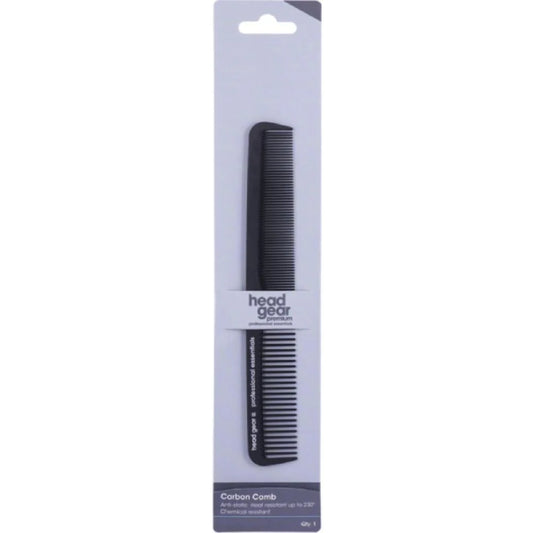
Head Gear No.5 Carbon Comb
Vendor:Head GearRegular price £7.49Regular price -
Jack Dean Pompadour Comb Black x1
Vendor:Jack DeanRegular price £14.30Regular price -
protip Detangler Comb Red
Vendor:Pro TipRegular price £5.99Regular price -
protip Dress Out Comb
Vendor:Pro TipRegular price £6.99Regular price -
Denman Precision Rake Comb Pink
Vendor:DenmanRegular price £11.40Regular price -
Denman Detangling Rake Comb
Vendor:DenmanRegular price £22.21Regular price -
Denman DC09 Grooming Comb
Vendor:DenmanRegular price £22.93Regular price -
Denman D22 Grooming Comb
Vendor:DenmanRegular price £14.12Regular price -
Brosh x Kent Folding Pocket Comb
Vendor:BroshRegular price £29.95Regular price -
Cesibon Comb 20 Milk Tea
Vendor:CesibonRegular price £13.95Regular price -
Cesibon Comb 20M Pineapple Medium (Clear Yellow)
Vendor:CesibonRegular price £26.95Regular price -
Salon Ethos App Comb
Vendor:AgendaRegular price £14.72Regular price -
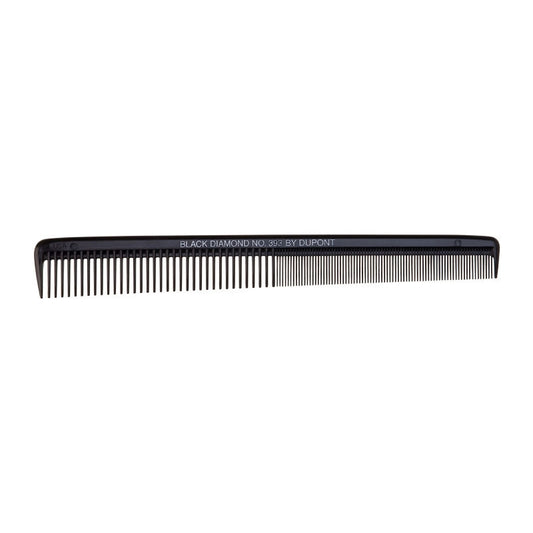
Black Diamond Euro Stylist Comb
Vendor:DenmanRegular price £11.84Regular price