Paraffin Wax
Paraffin wax has been a staple of luxury manicure, pedicure and spa treatments for decades — and for good reason. The combination of deep moisturising heat therapy and instant softening on dry, tired hands and feet is genuinely hard to replicate with any other treatment. Our paraffin wax collection brings together professional-grade wax pellets and salon-quality paraffin baths in one place, suitable for treatment rooms, mobile therapists, and confident at-home users wanting to recreate the spa experience properly. Whether you're upgrading your manicure menu, soothing arthritic joints, or simply giving yourself a proper bit of self-care, you'll find what you need here.
What is paraffin wax and what does it do?
Paraffin wax is a colourless, odourless cosmetic-grade wax that melts at a properly low, skin-safe temperature (around 51-54°C). When the warm liquid wax is applied to hands, feet or other body areas, it coats the skin in a thin, sealed layer of warm emollient that does several things at once:
- Locks in moisture — the wax forms an occlusive layer that prevents moisture loss and forces hydration deep into the skin's surface layers
- Softens dry, cracked skin instantly — particularly noticeable on heels, knuckles, calluses and rough patches
- Opens pores and gently removes dead skin — the warmth and the peeling-off action act as a mild exfoliant
- Increases blood circulation in the treated area, which is what gives paraffin treatments their warming, soothing feel
- Relaxes muscles and joints — the heat penetrates the skin and warms the underlying tissue, easing stiffness and tension
Paraffin treatments are most commonly used on hands and feet (where dry, calloused skin is most visible and the relief from a warm soak is most welcome), but they're also used on elbows, knees, and lower back areas in spa and therapeutic settings.
The two key uses for paraffin wax
For luxury manicure and pedicure treatments
This is where most professional paraffin work happens. Adding a paraffin treatment to a standard manicure or pedicure transforms it into a properly luxurious spa experience and creates a premium service tier you can price accordingly. The treatment usually involves cleansing the hands or feet, applying a moisturising cream, dipping into the warm paraffin bath 3-5 times to build a thick wax layer, wrapping in plastic and a warm towel for 10-15 minutes, then peeling off the wax to reveal soft, deeply moisturised skin underneath. Clients walk out feeling pampered, hands and feet looking visibly improved. The treatment costs almost nothing per use (the wax can be melted multiple times) but commands a meaningful upcharge on your service menu — one of the better margin-builders in a manicure or pedicure salon.
For therapeutic and wellness use
Paraffin wax has been used clinically for decades as a heat therapy treatment for joint stiffness, muscle tension, and conditions including osteoarthritis, rheumatoid arthritis, and Raynaud's phenomenon. The warm wax penetrates the skin to warm the underlying tissue, which improves circulation, eases stiffness, reduces pain, and increases joint mobility. Many people with chronic hand or foot pain use a home paraffin bath as part of their daily or weekly wellness routine, and physiotherapists, occupational therapists and rheumatology services use paraffin treatments as part of patient care. If joint relief is the primary reason you're considering paraffin, treat this collection as wellness equipment rather than beauty supplies — both audiences are properly served by the same products.
Choosing your paraffin wax
By scent and formulation
- Unscented paraffin wax — the classic option. No fragrance means no irritation risk for sensitive skin clients, and no scent clashes with other treatment-room products. The right choice for therapeutic use, mixed-treatment salons, or anyone with fragrance sensitivities.
- Lavender paraffin wax — calming, classic spa fragrance. Pairs particularly well with relaxation-focused treatment menus.
- Peach, citrus or fruit-scented paraffin — bright, fresh scents popular in nail salons. Adds a properly indulgent feel to manicure and pedicure services.
- Rose paraffin wax — luxury spa scent, ideal for premium treatment menus.
- Tea tree, eucalyptus or mint paraffin — formulated with botanical actives for added soothing or invigorating effects. Particularly popular for foot treatments.
By format
- Paraffin wax pellets/beads — the modern professional standard. Easy to portion, fast to melt, and convenient for topping up a paraffin bath between treatments. Most current professional ranges come in pellet form.
- Paraffin wax blocks — traditional format, still preferred by some therapists. Slower to melt initially but offers consistent results once liquefied.
What you need for paraffin wax treatments
- Paraffin wax in your chosen scent and format
- A paraffin wax bath/heater — a thermostat-controlled tub that melts the wax and holds it at the correct working temperature. Available in single-hand/foot sizes for personal use and larger professional capacity for salons
- Plastic liner bags for wrapping the wax-coated hand or foot during the wrap stage
- Mitts and booties — terry cloth or thermal mitts that fit over the plastic liners to retain heat during the treatment
- Pre-treatment cleanser for prepping the skin
- Moisturising cream or oil applied before the wax dip to enhance the effect
- Disposable gloves for hygiene during professional treatments
How to do a paraffin wax treatment properly
- Prepare the wax bath — switch the heater on and allow 60-90 minutes for the wax to fully melt and reach working temperature. Wax should be liquid and warm, not hot. Test on the inside of your wrist before applying.
- Cleanse the skin thoroughly. Remove all nail polish, hand cream and any residue.
- Apply a moisturising cream or oil to the hands or feet. This boosts the moisturising effect and makes the wax peel off more cleanly afterwards.
- Dip into the wax bath — keep fingers slightly apart and the hand relaxed. Hold for 3-5 seconds, lift out, allow the wax to start hardening (you'll see it turn from translucent to milky), then dip again. Repeat 4-6 times to build a thick wax glove.
- Wrap in plastic — slide the wax-coated hand into a plastic bag or wrap with plastic film to seal in the heat.
- Insulate with a mitt or booty — slide the wrapped hand into a terry or thermal mitt to retain heat for 10-15 minutes.
- Remove the wax — peel the wax off in one piece (or in chunks for thicker applications). Discard. The skin underneath will be visibly softer and properly moisturised.
- Massage in any remaining moisture — there's no need to rinse. The remaining sheen of moisture absorbs into the skin within minutes.
For salon use, follow proper hygiene protocol — never reuse wax that's been in contact with a client, dispose of liners and gloves between treatments, and clean the heater regularly per the manufacturer's guidance.
Frequently asked questions
Is paraffin wax safe for sensitive skin?
Yes, for the vast majority of people. Cosmetic-grade paraffin wax is hypoallergenic and skin-safe, and unscented options eliminate the fragrance irritation risk entirely. That said, anyone with broken skin, open wounds, infections, very recent burns or specific skin conditions should avoid paraffin treatments and consult a doctor or dermatologist. Always patch test on a small area first if you're new to paraffin or have reactive skin.
Does paraffin wax actually help with arthritis?
There's genuine clinical support for paraffin wax as a heat therapy for hand osteoarthritis and rheumatoid arthritis. Multiple studies have shown that regular paraffin treatments improve grip strength, reduce stiffness and ease pain in arthritic hands. It's used by NHS occupational therapists and rheumatology services for exactly this reason. It's not a cure or a substitute for medical treatment, but it's a properly effective complementary therapy that many people use as part of their daily symptom management.
How often can I use a paraffin wax treatment?
For cosmetic moisturising purposes, once or twice a week is the typical frequency for visible benefits without overdoing it. For therapeutic use (arthritis, joint stiffness), daily treatments are commonly recommended and well-tolerated. The wax is gentle enough that frequent use isn't a concern for healthy skin.
Can the paraffin wax be reused?
The wax in the heater can be melted, cooled, and re-melted many times for personal home use — most home users get months of use from a single batch. For professional salon use, hygiene rules are different: never return wax that's been in contact with a client back to the heater. Most salons replace wax in the bath periodically and use plastic liners and proper cleansing protocol to maintain hygiene between clients.
What temperature should paraffin wax be?
Working temperature is typically 51-54°C (124-130°F). The wax should feel warm but comfortable on the skin — never hot enough to scald. A thermostat-controlled paraffin bath maintains this temperature automatically. Always test the wax temperature on the inside of your own wrist before applying to a client or to sensitive skin areas.
Is paraffin wax suitable for all body areas?
Hands and feet are by far the most common applications. It can also be used on elbows, knees, and lower back areas in spa and therapeutic settings. Avoid using on the face (the temperature is unsuitable), on broken skin or open wounds, or directly over varicose veins, infections, or recent injuries.
What's the difference between paraffin wax and regular candle wax?
Both are paraffin-based, but cosmetic-grade paraffin wax is highly refined to remove impurities and is melted to a much lower temperature than candle wax. Never use candle wax for skin treatments — the temperature would be far too high and the wax composition is not skin-safe.
Is paraffin wax vegan?
Paraffin wax itself is petroleum-derived, not animal-derived, which technically makes it vegan in terms of ingredients. Some scented or formulated paraffin waxes may contain other ingredients (beeswax, lanolin, milk extracts) that aren't vegan, so always check the specific product if vegan formulation matters to you or your clients.
Can pregnant women have a paraffin wax treatment?
Generally yes for hand and foot treatments, but it's worth checking with your midwife or doctor first if you have any pregnancy-related complications (high blood pressure, swelling, gestational diabetes, etc.). The warmth of the treatment is mild and localised, but as with any spa treatment during pregnancy, individual circumstances matter.
Shop the paraffin wax collection
Browse the full range of paraffin wax pellets, paraffin baths and accessories below. For complete manicure and pedicure setups, see our wider manicure and pedicure collection, and for hand and foot care more generally, our hand and foot care range covers everything from cuticle treatments to professional foot files. Free UK delivery on all orders.
-
 Sold out
Hive Paraffin Wax Brush 1in
Vendor:HiveRegular price £10.58Regular price -
Deo Digital Paraffin Wax Heater Kit
Vendor:DeoRegular price £140.78Regular price -
 Sold out
Deo Disposable Liners Pack of 60
Vendor:DeoRegular price £13.22Regular price -
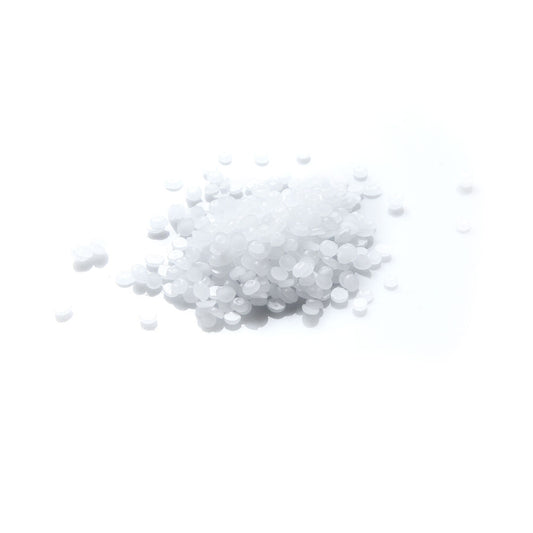
Hive of Beauty Paraffin Pellets - White Fragrance Free 700g
Vendor:Hive of BeautyRegular price £18.49Regular price -
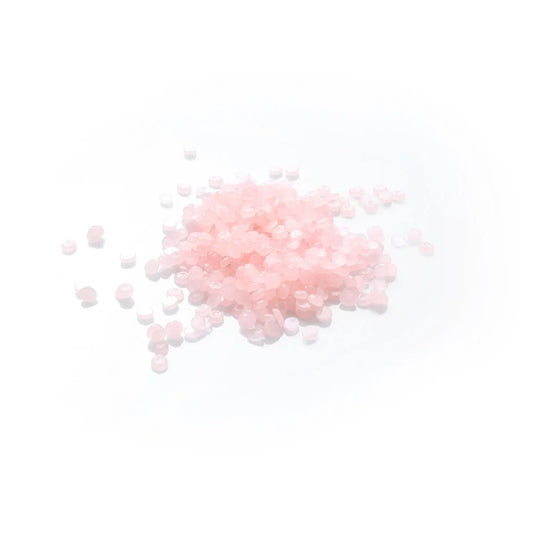
Hive of Beauty Paraffin Pellets - Peach 700g
Vendor:Hive of BeautyRegular price £29.99Regular price