Scissors & Razors
The cutting tools you choose are genuinely the most important investment you'll make as a hairdresser, barber or trainee. The right scissor or razor in your hand transforms your cutting — cleaner lines, less fatigue at the chair, longer-lasting sharpness, and a finished cut that walks out of your salon looking the way you intended. Our scissors and razors collection brings together the genuine professional brands the industry actually trusts: Kasho, Jaguar, Matakki, Joewell, Kyoto, Osaka, Washi for scissors, plus the leading razor brands for barbering and detailing work. Whether you're an apprentice building your first kit, a working stylist replacing a favourite that's finally given up, or a barber sourcing pro-grade clipper-over-comb tools and razors, this is the hub for everything cutting-related.
Choose by what you need
Hairdressing scissors
The core cutting tool in every kit. Our hairdressing scissors collection covers the full professional spectrum from accessible everyday workhorses through to premium Japanese masterworks. Stocking the brands working stylists actually buy — Kasho (the Japanese benchmark, including the Sagano and Design Master ranges), Jaguar (German Solingen engineering across the Pre Style, White Line and Silver Line ranges), Matakki (the British-favourite range from Toya entry through to Hazuki, Black Ninja, and the Elite Talon), Joewell (legendary Japanese hand-finished scissors including the FX and FX-PRO), Kyoto, Osaka and Washi. Sizes from 5" through to 7" cover everything from precision detail work to barbering scissor-over-comb. Browse the full hairdressing scissors collection →
Thinning and texturising scissors
The second scissor in any complete kit. Thinning shears (also called texturising scissors or blenders) remove bulk and create natural-looking texture without visible cut lines. Our range covers all tooth counts — from 14-tooth aggressive blenders through 28 and 30-tooth all-rounders to 40-tooth fine thinners — across the same trusted brands as our cutting scissors. Choose your tooth count by the cut effect you want: fewer teeth for chunky thinning, more teeth for subtle softening. Browse the full thinning scissors collection →
Razors and barbering tools
Professional razors deliver the precise edges that scissors alone can't — clean nape lines, sharp sideburn angles, hairline detailing, and the close finishing work that defines proper barbering. Our razor range covers shavette razors with replaceable blades (the modern professional standard for hygiene), traditional straight razors for classic shaves, hair-shaping razors for texturising and softening blunt-cut lines, and brow razors for precision facial work. Replacement blades sold separately for ongoing use.
Left-handed scissors
For left-handed stylists, our range includes properly reversed left-handed cutting and thinning scissors from Kasho, Kyoto Rose Lefty and other brands. These aren't just right-handed scissors with flipped handles — they're properly engineered with reversed blade geometry so the cutting action works with your hand rather than against it. Genuinely night-and-day difference for lefty stylists who've been making do with right-handed tools.
Choosing the right scissor or razor
For apprentices and trainees
Start with a properly built mid-range scissor that won't break the bank but won't let you down either. The Matakki Toya 5.5", Kyoto Sprint 5.5", and Jaguar Pre Style Ergo are all consistently recommended starter options that deliver genuine professional cutting feel without the £400+ price tag of premium kit. Pair with a thinning scissor in the 28 or 30-tooth range for general texturising work. As your technique develops and your earnings grow, upgrade to premium kit when you can justify it.
For working stylists upgrading their kit
If you've been working with starter-level kit for a few years and your technique has properly developed, upgrading to premium Japanese kit is one of the more transformative kit decisions you can make. Premium scissors from Kasho Sagano, Joewell FX-PRO, Matakki Black Ninja or the Kasho Design Master range deliver cutting precision and feel that genuinely improves your work. Worth saving up for the right scissor rather than buying a "premium-ish" compromise.
For barbers
Look for longer 6.5" and 7" scissors with offset handles for scissor-over-comb work — the Matakki Talon 7", Matakki Black Ninja 6.5", and Matakki Barber 7" Set (cutter + thinner combination) are all properly suited to barbering specifically. Pair with a quality shavette razor for nape detailing and finishing work, plus replaceable blades for hygiene between clients.
For mobile or salon-rental stylists
Reliability and durability matter more than premium price tags. Choose properly built mid-tier scissors that handle daily transport and varied working conditions. The Matakki Hazuki, Joewell FX, and Jaguar Silver Line CJ3 all deliver consistent professional performance with proper longevity for the working life of a mobile or chair-rental career.
For hairdressers with thumb pain or RSI
Swivel scissors are genuinely career-saving for stylists with thumb pain, wrist strain or shoulder fatigue. The Osaka Vega features 360-degree dual rotating thumb action that keeps your hand neutral throughout the cutting day, eliminating the compensation that causes most stylist RSI. If you've been struggling with pain at work, this is the single most worthwhile kit upgrade you can make.
Featured cutting tool brands
Kasho
The Japanese benchmark for premium scissors. The Kasho Sagano range delivers properly elite cutting feel with damascus ball bearings, flat screw technology, and DLC coatings. The Design Master series is their introductory professional line, with VG10-W steel and ratchet tension control. If you want a scissor that genuinely feels like jewellery in the hand, Kasho is the brand.
Matakki
British-favourite Japanese-made scissor brand spanning the full price spectrum from accessible Toya entry-level through Hazuki, Assassin, Black Ninja and Talon Elite, plus the Barber range and matched sets. Excellent value across all tiers, with a proper lifetime steel guarantee plus 12-month drop warranty across the range.
Jaguar
German engineering from Solingen, properly trusted across Europe and the UK. The Pre Style Ergo range is the accessible everyday workhorse; the Silver Line (including the Keito CJ3) is the working stylist's upgrade; the Pastell Plus range adds metallic colour finishes with nickel-allergy protection. Made in Solingen since 1932 — proper heritage credentials.
Joewell
The Japanese legends, hand-crafting scissors at Tokosha Co. since 1917. The FX-PRO is one of the most respected scissors in professional hairdressing globally, with the iconic 3D handle, dry bearing screw system, and sword blade. The standard FX range delivers the same heritage at a more accessible price point.
Kyoto, Osaka and Washi
Three more Japanese-made professional ranges covering everything from value-for-money workhorses (Kyoto Sprint) through ergonomic specialists (Osaka Vega swivel scissors) to titanium-finished aesthetic premium options (Washi Gold Rainbow). Each brand has its own niche within the cutting tool market.
What you actually need in a complete cutting kit
Most working stylists carry a remarkably consistent set of cutting tools. The complete professional kit typically includes:
- 1-2 cutting scissors — usually a primary 5.5" or 6" plus a backup; many stylists also carry a longer 6.5" or 7" for scissor-over-comb work
- 1-2 thinning scissors — a 28 or 30-tooth all-rounder, plus possibly a 40-tooth for fine thinning
- 1 razor or shavette — for nape lines, finishing detail, and texturising work
- Replacement razor blades — for hygiene between clients
- 4-8 cutting combs across cutting, tail, barber and wide-tooth varieties — see our cutting combs collection
- A scissor case for safe storage and transport
- Scissor oil and tension key for daily maintenance
For trainees and apprentices building their first kit, a training head block is genuinely essential for practising techniques before taking new tools to clients.
Care, maintenance and sharpening
Quality scissors and razors are properly long-term investments — a premium Japanese scissor should last 15-20+ years with daily use, but only with proper care:
- Wipe blades clean after every client — hair, skin oils, product residue and water all cause corrosion over time. A quick wipe with a dry microfibre cloth is enough.
- Oil the pivot point regularly — every 1-2 weeks for working stylists. Most premium scissors come with a small bottle of scissor oil; one drop on the pivot, then open and close to distribute.
- Adjust tension correctly — too tight strains your hand and damages the pivot; too loose causes the scissor to fold hair instead of cutting it. Most scissors should fall closed under their own weight when held vertically with the screw at the top.
- Never drop your scissors — single biggest cause of scissor failure. A drop onto a hard surface can knock the blades out of alignment permanently. Use a scissor case during transport and a holster or proper holder during salon use.
- Get them professionally sharpened when the cut starts feeling dragged or when hair folds rather than slicing. Most premium scissors should be sharpened once every 6-12 months in regular use. Never attempt DIY sharpening — improper sharpening permanently damages the blade geometry.
- Replace razor blades regularly — for shavette razors and replaceable-blade razors, swap blades for hygiene between every client (or at minimum daily).
Frequently asked questions
What size scissor should I buy?
For most everyday cutting on women's hair, 5.5" is the sweet spot — versatile, controllable, suits most cutting techniques. 6" is a popular all-rounder that bridges precision and reach. 6.5" and 7" are properly suited to barbering, men's cutting and scissor-over-comb work where blade length and leverage matter. Most working stylists own scissors in 2-3 different sizes for different jobs.
Are expensive scissors actually worth the money?
Within reason, yes. The difference between a £40 starter scissor and a £200-400 professional one is genuine — better steel, sharper edge that holds longer, smoother cutting action, ergonomic handles that reduce fatigue, and properly built construction that lasts decades rather than months. Beyond £600-800 into ultra-premium territory, returns diminish — most working stylists are properly served by quality mid-range premium scissors rather than top-tier showpieces.
What's the difference between cutting scissors and thinning scissors?
Cutting scissors have two solid blades for clean straight cuts. Thinning scissors (also called texturising shears or blenders) have one solid blade and one toothed blade — the teeth catch some hair while letting other hair pass through, removing bulk without creating visible cut lines. Both are essential for proper cuts; you can't substitute one for the other.
How often should professional scissors be sharpened?
For working stylists in regular daily use, every 6-12 months is typical. Signs your scissors need sharpening: the cut feels dragged rather than smooth, hair folds at the cutting edge instead of slicing, you notice "tag ends" on cut sections, or your hand fatigue increases noticeably. Always use a professional scissor sharpening service rather than attempting DIY sharpening, which permanently damages the blade geometry.
What's a shavette razor and how does it differ from a straight razor?
A shavette razor is a professional razor that uses replaceable blades — the body is reusable, but a fresh blade is loaded for each client. Modern hygiene standards in salons and barbershops effectively require shavettes rather than traditional straight razors (which would need to be properly sterilised between clients). Straight razors are still used by enthusiasts and traditional barbers for personal use, but for professional client work, shavettes are the standard.
What scissors do barbers use?
Barbers typically work with longer scissors (6.5"-7") for scissor-over-comb, blunt cutting on thicker hair, and reach during men's cutting. Offset handles are properly important for the wrist position needed in barbering. The Matakki Talon 7", Matakki Barber Set, and Matakki Black Ninja 6.5" are all consistently recommended for barbering specifically. Pair with a shavette razor for nape lines and finishing work.
Can I use hair scissors for trimming my own fringe at home?
Technically yes, but with caveats. Cheap kitchen scissors are too dull and uneven for hair — you'll cause split ends and ragged finishes. A budget pair of dedicated hair scissors (Matakki Toya, Kyoto Sprint at the entry level) will give you a much cleaner DIY trim. That said, anything beyond a fringe trim is genuinely worth booking with a professional — DIY layering and shaping rarely turns out the way you imagined.
Do I need different scissors for wet and dry cutting?
Not strictly — most professional scissors handle both wet and dry cutting effectively. Some stylists prefer slightly different scissors for each (sharper convex blades for slide cutting on dry hair; sturdier blades for wet cutting), but you don't need separate scissors to get started. As your technique develops, you may find yourself preferring different scissors for different cuts.
What's the difference between bevelled and convex blade scissors?
Convex blades have a hollow-ground curved edge that delivers the sharpest cut — ideal for slide cutting, point cutting and detailed work. Bevelled blades have a more durable angled edge that holds up to repeated cutting on coarse hair but lacks the slicing finesse of convex. Most premium professional scissors are convex; most mid-range and budget scissors are bevelled or semi-convex. Choose based on your cutting style and the hair types you work with.
Are left-handed scissors really different from right-handed scissors with flipped handles?
Yes, properly different. True left-handed scissors have reversed blade geometry — the top blade pushes the hair toward the cutting edge for a left-hand cutting motion, the opposite of right-handed scissors. "Lefty" scissors that are actually right-handed scissors with flipped handles still cut against your hand, requiring you to compensate with awkward wrist positioning. Genuine reversed left-handed scissors transform the cutting experience for left-handed stylists.
Shop the full scissors and razors collection
Browse the complete range below, or explore the dedicated sub-collections: hairdressing scissors for cutting tools across every brand and price point, thinning and texturising scissors for the matching texturising tools, cutting combs for the combs every stylist needs alongside their scissors, and training head blocks for apprentices, students and stylists practising new techniques. Free UK delivery on all orders.
-
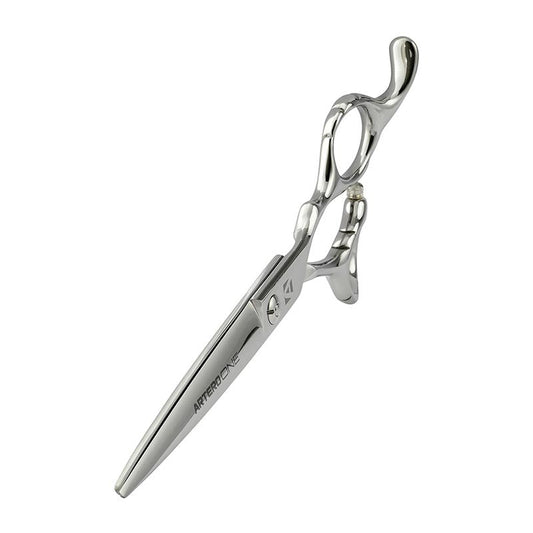
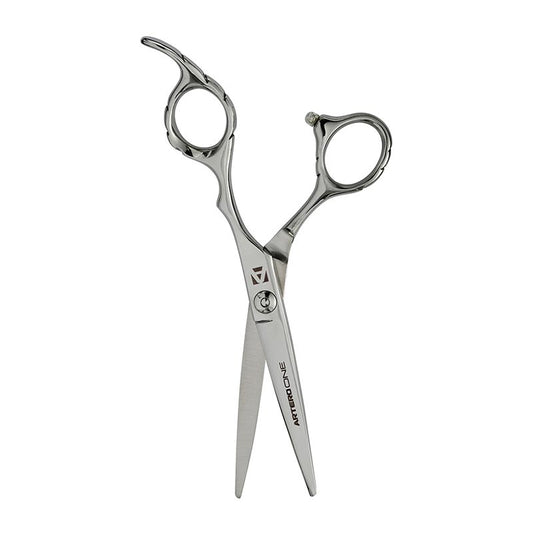
Artero One 8in Scissor
Vendor:ArteroRegular price £101.96Regular price -
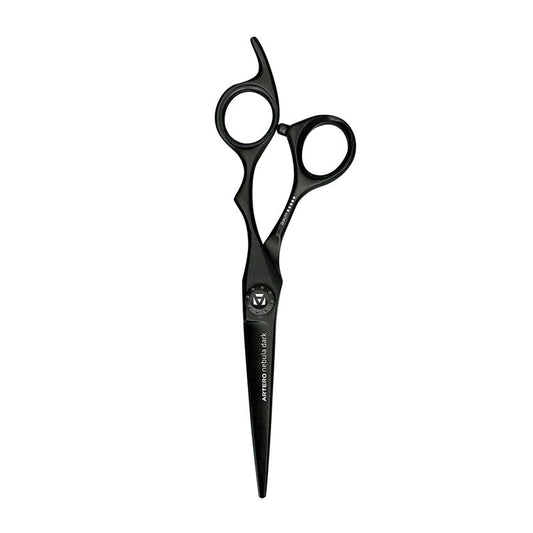
Artero Nebula Dark 5.5in Scissor
Vendor:ArteroRegular price £244.88Regular price -
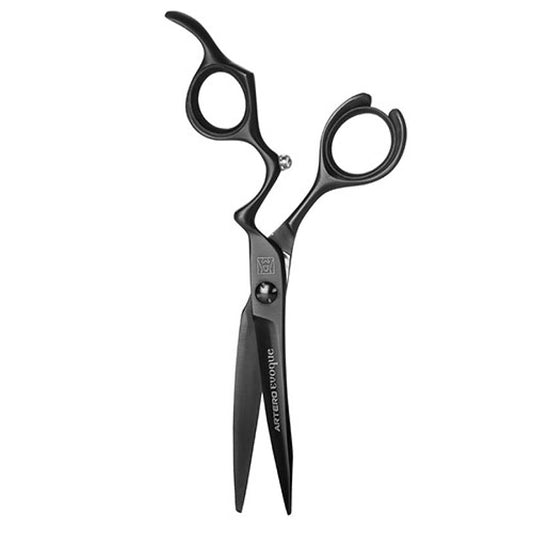
Artero Evoque Titanium 7in Scissor
Vendor:ArteroRegular price £266.00Regular price -
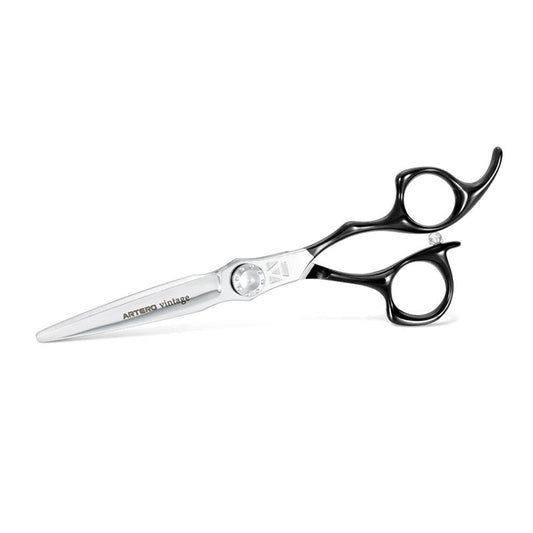
Artero Vintage 7in Scissor
Vendor:ArteroRegular price £148.04Regular price -
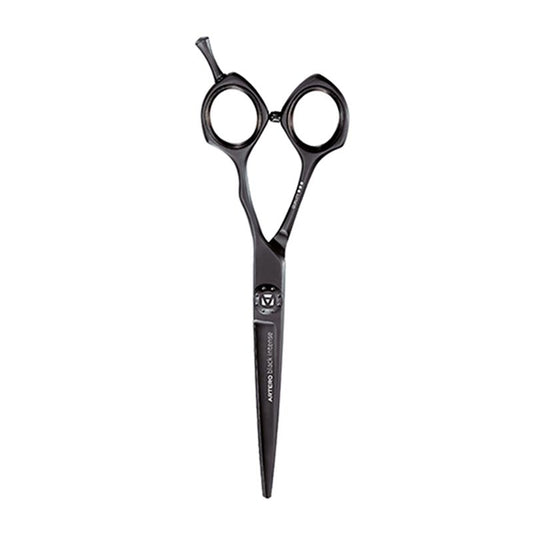
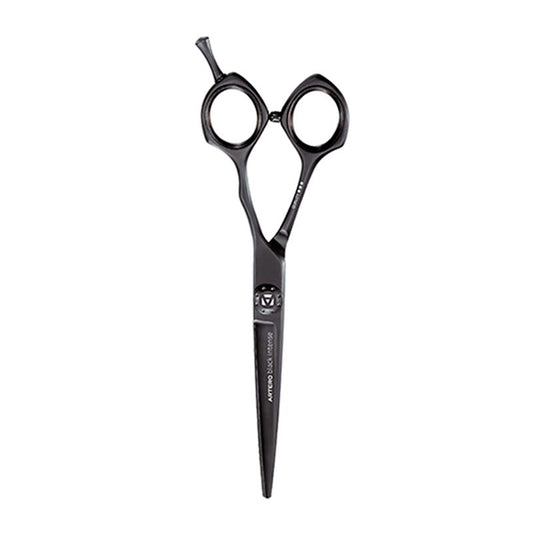
Artero Black Intense 6.5in Scissor
Vendor:ArteroRegular price £197.96Regular price -
Artero Vintage 6in Scissor
Vendor:ArteroRegular price £138.20Regular price -
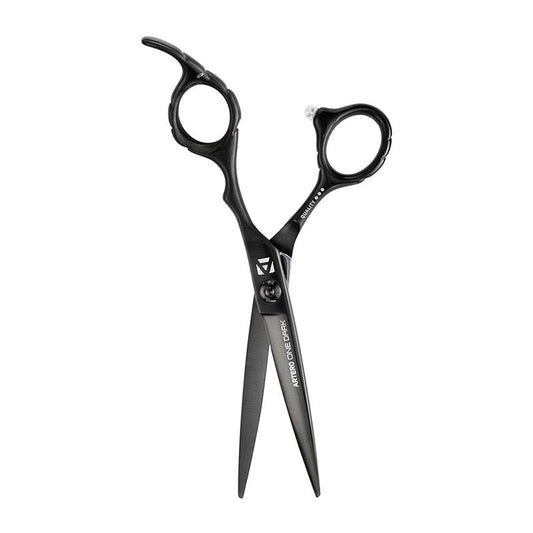
Artero One Dark 5.5in Scissor
Vendor:ArteroRegular price £86.36Regular price -
Artero One Dark 7in Scissor
Vendor:ArteroRegular price £94.16Regular price -
Artero Exakta 5.5in Scissor
Vendor:ArteroRegular price £202.88Regular price -
Artero One 6.5in Scissor
Vendor:ArteroRegular price £87.08Regular price -
Artero Black Intense 7in Scissor
Vendor:ArteroRegular price £199.64Regular price -
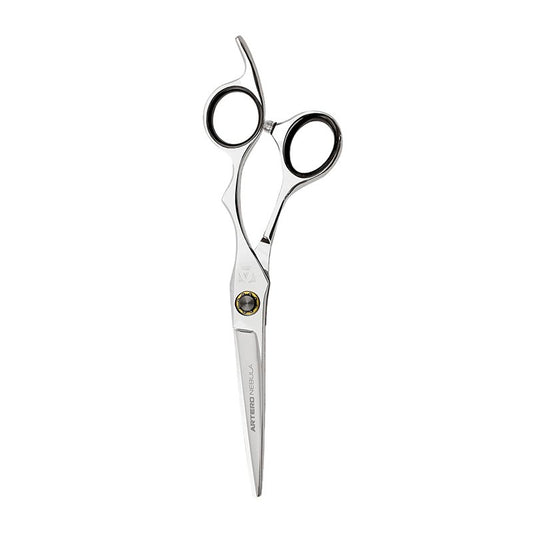
Artero Nebula 5.5in Scissor
Vendor:ArteroRegular price £225.08Regular price -
Artero One 5.5in Scissor
Vendor:ArteroRegular price £80.00Regular price -
Artero Mystery 6in Scissor
Vendor:ArteroRegular price £163.28Regular price -
Artero Mystery 7in Scissor
Vendor:ArteroRegular price £175.28Regular price -
Artero Black Intense 6in Scissor
Vendor:ArteroRegular price £186.92Regular price