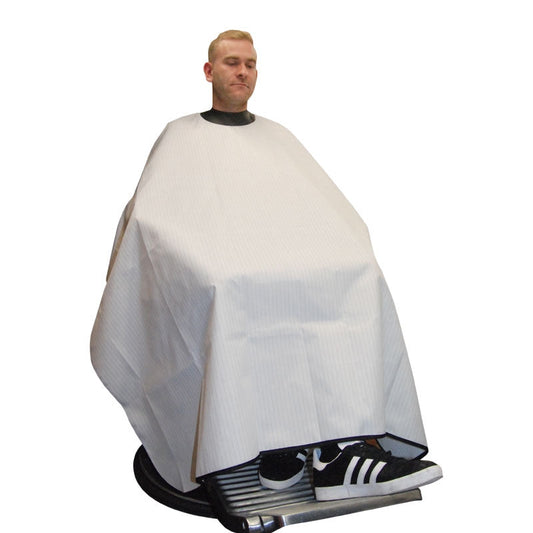
Salon Gowns & Capes
The salon gown might not be the most glamorous piece of equipment in your treatment room, but it's one of the most-used and most-noticed by clients. The right gown protects your client's clothing from colour, bleach, water and stray hairs, keeps them comfortable through long appointments, and quietly reinforces the professional image of your salon. The wrong gown — too tight, too short, leaking dye, scratchy fabric, awkward fastenings — undermines the whole client experience before you've even started. Our salon gowns and capes collection brings together properly considered professional options across cutting capes, colour gowns, kimono-style premium gowns, disposable shoulder capes, and shampoo capes. Whether you're kitting out a new salon, restocking for the season, or upgrading from supermarket alternatives, you'll find what you need here at proper trade pricing with free UK delivery.
Choosing the right salon gown or cape
Salon gowns aren't a single product — they split into several distinct categories, each engineered for a specific service type. Most working salons stock 2-3 different types to cover their full service menu properly:
Cutting capes
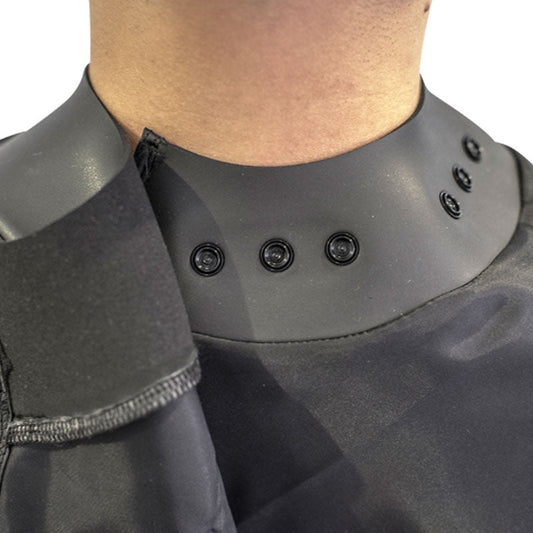
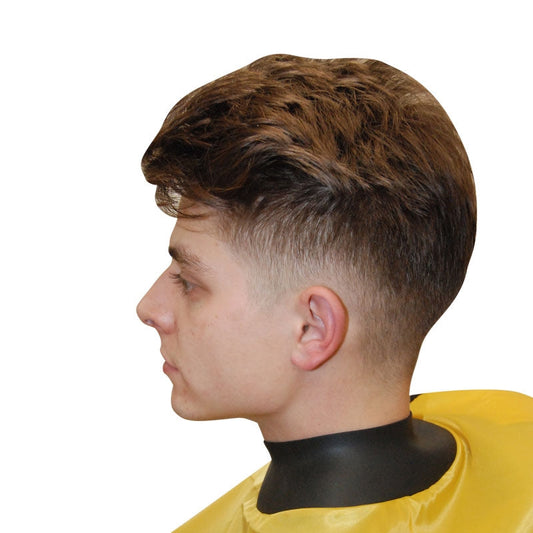
Lightweight, fast-drying capes designed specifically for dry cuts and finish work. The fabric is engineered to repel cut hair (which slides off rather than sticking) and dry quickly between clients. Most cutting capes have snap fastenings, velcro closures, or fabric ties at the neck, and sit at chest-to-thigh length for proper hair coverage without restricting client movement. Lighter weight than colour gowns, easier to clean, and the workhorse for any cuts-focused salon.
Colour and chemical service gowns
Heavier, more protective gowns designed for colour services, bleaching, perming, relaxing, and any chemical work where leaks would damage clothing. The fabric is properly waterproof or heavily water-repellent, with sealed seams and tight neck closures to prevent dye splashes from reaching the client underneath. Often longer than cutting capes (knee-length or longer) for full lower-body protection. The professional gown for any colour-focused salon, and increasingly worth investing in proper quality given the cost of replacement client clothing if a leak happens.
Kimono-style gowns
Premium full-coverage gowns with sleeves, designed to give the client a properly luxurious salon experience while providing maximum protection for chemical services. The kimono format covers the arms (which standard capes leave exposed) and the full torso, creating proper professional appearance during longer treatments. Increasingly popular in premium salons, balayage specialists and high-end colour-focused practices where service prices justify the investment in proper professional presentation.
Shampoo capes
Shorter, lighter capes designed specifically for the shampoo basin — keeping the back and shoulders dry while the client's head is being washed. Often made from quick-drying microfibre or waterproof PVC fabric, with simple velcro or snap closures. Genuinely worth having dedicated shampoo capes rather than using cutting capes at the basin (which get soaked and need full drying between clients).
Disposable shoulder capes
Single-use shoulder capes for treatments where reusable capes aren't practical. Most commonly used for facial waxing, eyebrow services, lash treatments, brow tinting, and any service where a hair-down-to-thighs cape would be impractical or hygiene matters more than coverage. Sold in bulk packs (typically 50-100 units), making the cost-per-use properly competitive. The hygiene angle alone makes these worth stocking for any treatment-room work alongside hair services.
Foiling and balayage capes
Specialised capes designed for hands-free foiling and balayage work, typically with sleeves or wider arm openings to allow proper access for the colourist while keeping the client covered. Premium balayage specialists increasingly use sleeved gowns to maintain professional appearance during the longer service times balayage requires.
What to look for in a quality salon gown
- Fabric quality and weight — should match the service. Lightweight breathable for cutting; heavy waterproof for colour. Cheap thin fabrics leak, tear, fade fast and look unprofessional after a few washes.
- Waterproof or water-repellent rating — for colour gowns, this is non-negotiable. Look for proper sealed seams and labelled water-repellent treatments rather than just "splash-resistant."
- Anti-static treatment — fabric that doesn't cling to cut hair makes cleaning between clients significantly faster. Worth paying for in a busy salon.
- Closure type — snap closures are quickest and most secure; velcro is fast but wears out faster; fabric ties give the most adjustable fit but are slowest. Choose by your salon's workflow.
- Adjustable neck — should fit a range of client sizes comfortably. Tight neck openings are uncomfortable; loose ones let hair down the client's collar.
- Length and coverage — cutting capes typically reach the thighs; colour gowns to the knees; kimono gowns to the calves. Bigger isn't always better — overly long gowns are awkward in compact salons.
- Wash-and-wear durability — quality salon gowns survive 100+ washes without fabric degradation, fading, or losing their water-repellent treatment. Cheap gowns last 20-30 washes before needing replacement.
- Colour and design — should match your salon's branding and aesthetic. Black is the universal classic; jewel tones (navy, deep burgundy, forest green) read more upmarket; white is impractical for colour-focused salons but fine for cutting-only.
How many gowns should a salon stock?
The standard rule of thumb is 3-4 gowns per stylist station, which gives you enough rotation for daily wash cycles while keeping clean stock available throughout the day. A 4-stylist salon should typically stock 12-16 cutting capes plus 6-8 colour gowns plus 2-4 kimono gowns for premium services, plus a regular supply of disposable shoulder capes.
For mobile therapists or single-stylist salons, 6-8 mixed gowns covering cutting and colour services is usually enough. Always have at least 2 spare clean gowns available even in the smallest setup — running out mid-day is properly embarrassing in front of a client.
Caring for salon gowns properly
- Rinse off colour and chemical residue immediately after each service rather than letting it dry into the fabric. Cold water rinse, then bag for proper laundering.
- Wash at the manufacturer's recommended temperature — usually 30-40°C for waterproof fabrics. Hotter washes can degrade water-repellent treatments and shrink the gown.
- Use mild detergent — avoid bleach, fabric softener, and heavy detergents which strip water-repellent coatings and shorten gown lifespan.
- Air-dry rather than tumble-dry where possible — heat damages water-repellent treatments over time. Hang gowns to dry on padded hangers to maintain shape.
- Iron on low heat only if needed — most modern salon gown fabrics don't need ironing.
- Replace before they look worn — faded, stained, or visibly worn gowns project a shabby image. Most salons replace cutting capes annually and colour gowns every 12-18 months in busy practices.
Frequently asked questions
What's the difference between a salon cape and a salon gown?
The terms are often used interchangeably but technically: capes are simpler shoulder-and-torso coverings without sleeves, designed for cutting and quick services. Gowns are larger, fuller garments often with sleeves (kimono-style) or longer length, designed for colour, chemical and longer services. Most salons stock both because they're suited to different service types.
Are disposable shoulder capes worth stocking?
For specific services, yes. Disposable capes are properly useful for facial waxing, brow tinting, lash treatments, and any service where a full hair cape would be impractical. Hygiene benefits matter especially for treatments involving open follicles or sensitive skin. Cost per use is properly competitive when bought in bulk packs. Most working salons stock disposable capes alongside reusable ones rather than choosing one or the other.
How often should salon gowns be washed?
Cutting capes should be washed daily in a busy salon, or after every 3-4 client uses minimum. Colour gowns should be washed after every service to prevent dye transfer. Kimono gowns can typically last 2-3 services between washes if no chemical contact has occurred. Hygiene-sensitive treatments (waxing, lash work) require fresh capes per client.
What's the best fabric for a colour service gown?
Polyester-based water-repellent fabrics with sealed seams are the professional standard. Look for "PEVA" coatings (similar to but more flexible than PVC), or proper polyester-PU blends with documented water-repellent ratings. Avoid pure cotton (absorbs dye and water immediately), thin nylon (tears easily), and PVC alone (uncomfortable for clients during longer services).
Will my salon gowns shrink in the wash?
Quality salon gowns from professional brands are pre-shrunk and pre-tested for wash durability — they should hold their dimensions across hundreds of wash cycles. Cheap gowns may shrink significantly in the first few washes. Always wash at the manufacturer's recommended temperature, and avoid tumble-drying water-repellent fabrics on high heat.
What size salon gown do I need for plus-size clients?
Most professional salon gowns are designed to fit a wide range of sizes through adjustable neck closures and generous body cuts. For salons regularly serving plus-size clients, consider stocking specifically larger sizes or oversized kimono gowns. Properly sized gowns are a comfort and dignity issue for clients — never assume one size fits all.
Can salon gowns be customised with my logo?
Many professional salon gown manufacturers offer custom embroidery or printing services for salon branding. Worth investigating if you're kitting out a new salon or refreshing your aesthetic — branded gowns reinforce your professional image and can become part of your retail offering for at-home colour clients too. Browse our individual product pages for specific customisation options.
How long do salon gowns typically last?
Quality professional gowns from reputable brands typically last 100-200+ washes (12-24 months in busy salon use) before needing replacement. Cheap gowns degrade significantly faster — often only lasting 20-50 washes. Per year of use, quality gowns work out cheaper than the cheap alternatives you'd replace repeatedly.
What colour gowns are most professional?
Black remains the universal salon standard — it hides stains, looks consistent across all salon aesthetics, and matches any brand colour palette. Navy, charcoal, deep burgundy, and forest green read upmarket and work well for premium-positioned salons. Lighter colours (cream, white, pastels) look beautiful but show stains quickly and are impractical for colour-focused practices. Choose colour to match your salon's branding rather than personal preference.
Do I need different gowns for each service?
Not strictly, but most professional salons benefit from having at least 2-3 distinct gown types: cutting capes for dry cutting work, colour gowns for chemical services, and possibly kimono gowns for premium services or longer balayage appointments. Disposable shoulder capes for treatment-room work alongside hair services. The investment in distinct gown types pays back in faster client turnover, better protection, and properly professional presentation.
Shop the salon gowns and capes collection
Browse the full range of professional salon gowns and capes below. For complete salon equipment and treatment-room essentials, see our wider salon essentials collection covering everything from gowns and capes through to sectioning clips, neck strips, foil and chemical service supplies. For waxing and beauty treatment capes specifically, our waxing collection includes specialist disposable capes for hair removal services. Free UK delivery on all orders.
-
Hair Tools Tint Proof Gown Standard Size Black
Vendor:Hair ToolsRegular price £19.88Regular price -
Hair Tools Tint Proof Gown Black King Size
Vendor:Hair ToolsRegular price £26.48Regular price -
Hair Tools Unisex Gown with Poppers Black
Vendor:Hair ToolsRegular price £22.82Regular price -
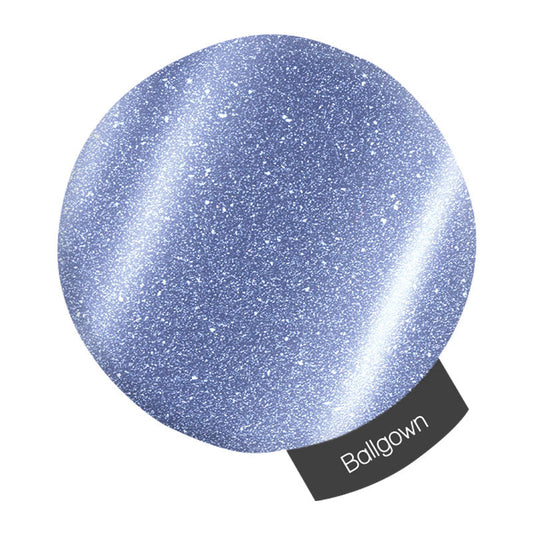
Halo Hema Free Gel Polish Ballgown 8ml Once Upon a Time Collection
Vendor:HaloRegular price £15.92Regular price -
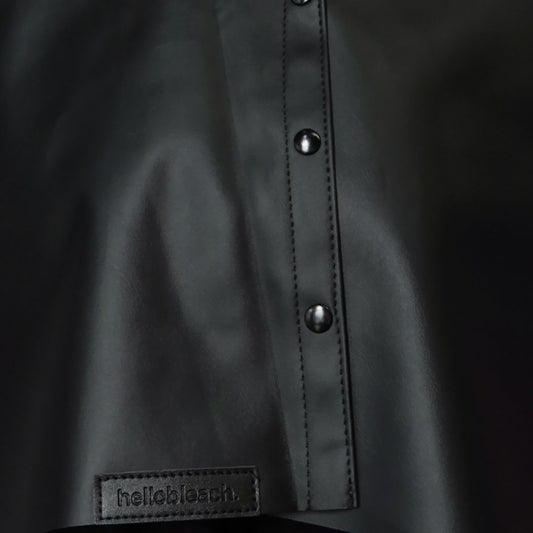
Hello Bleach Vegan Leather Cutting Cape
Vendor:Hello BleachRegular price £53.78Regular price -
Lecente Chrome Powder Ball Gown 1g
Vendor:LecenteRegular price £19.16Regular price -
Neocape Long Unigown Black
Vendor:NeocapeRegular price £38.72Regular price -
Neocape Children's Unigown Amber
Vendor:NeocapeRegular price £37.58Regular price -
Neocape Long Unigown White
Vendor:NeocapeRegular price £38.72Regular price -
Neocape Wash and Colour Cape
Vendor:NeocapeRegular price £32.72Regular price -
Neocape Long Unigown White Pinstripe
Vendor:NeocapeRegular price £46.70Regular price -
Neocape Children's Unigown Black
Vendor:NeocapeRegular price £37.58Regular price -
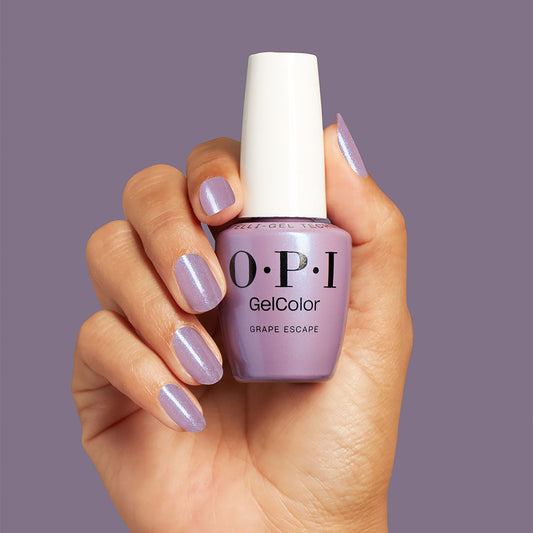
OPI GelColor Hema Free Gel Polish Grape Escape 15ml OPI'm Dreaming Collection
Vendor:OPIRegular price £32.66Regular price -
WAHL Barber Cape Pinstripe Cape
Vendor:WahlRegular price £25.52Regular price -
milk_shake Cutting Cape Black
Vendor:Milk_ShakeRegular price £30.38Regular price -
milk_shake The Gloss Disposable Capes (30pc)
Vendor:milk_shakeRegular price £16.40Regular price