

Which Paul Mitchell Shampoo Is Best for Oily Hair? A Stylist's Guide
Thomas StrangwoodIf your hair looks fine on wash day and shiny in entirely the wrong way by lunchtime on day two, you're not alone. Oily hair is one of the most common things we deal with in the salon, and it's almost always a scalp issue rather than a hair issue. The fix usually isn't a stronger shampoo. It's the right shampoo, used properly.
Paul Mitchell has a small handful of shampoos that genuinely target oily scalps without the over-stripping that makes the whole cycle worse. Here's which ones we recommend, why, and how to actually wash oily hair so the shampoo can do its job.
Why Oily Hair Needs the Right Shampoo (Not Just More Shampoo)
Oily hair starts at the scalp. Your sebaceous glands produce sebum, a natural oil that protects the skin and hair. Some scalps produce more than others, and a few things can crank that production up further: hormone shifts, diet, heavy products at the roots, over-washing with harsh shampoos, or just genetics.
Here's the part most people miss. Aggressive cleansing shampoos strip the scalp, the scalp reads that as an emergency, and your sebaceous glands respond by producing even more oil to compensate. So the cycle goes harder shampoo, oilier hair, harder shampoo, oilier hair, until you're washing every morning and the hair still looks limp by 3pm.
The way out is to use a shampoo that genuinely cleanses the scalp (removing buildup, oil and product residue) without overdoing it. That's where the Paul Mitchell Tea Tree line comes in.
The Best Paul Mitchell Shampoo for Oily Hair: Tea Tree Special
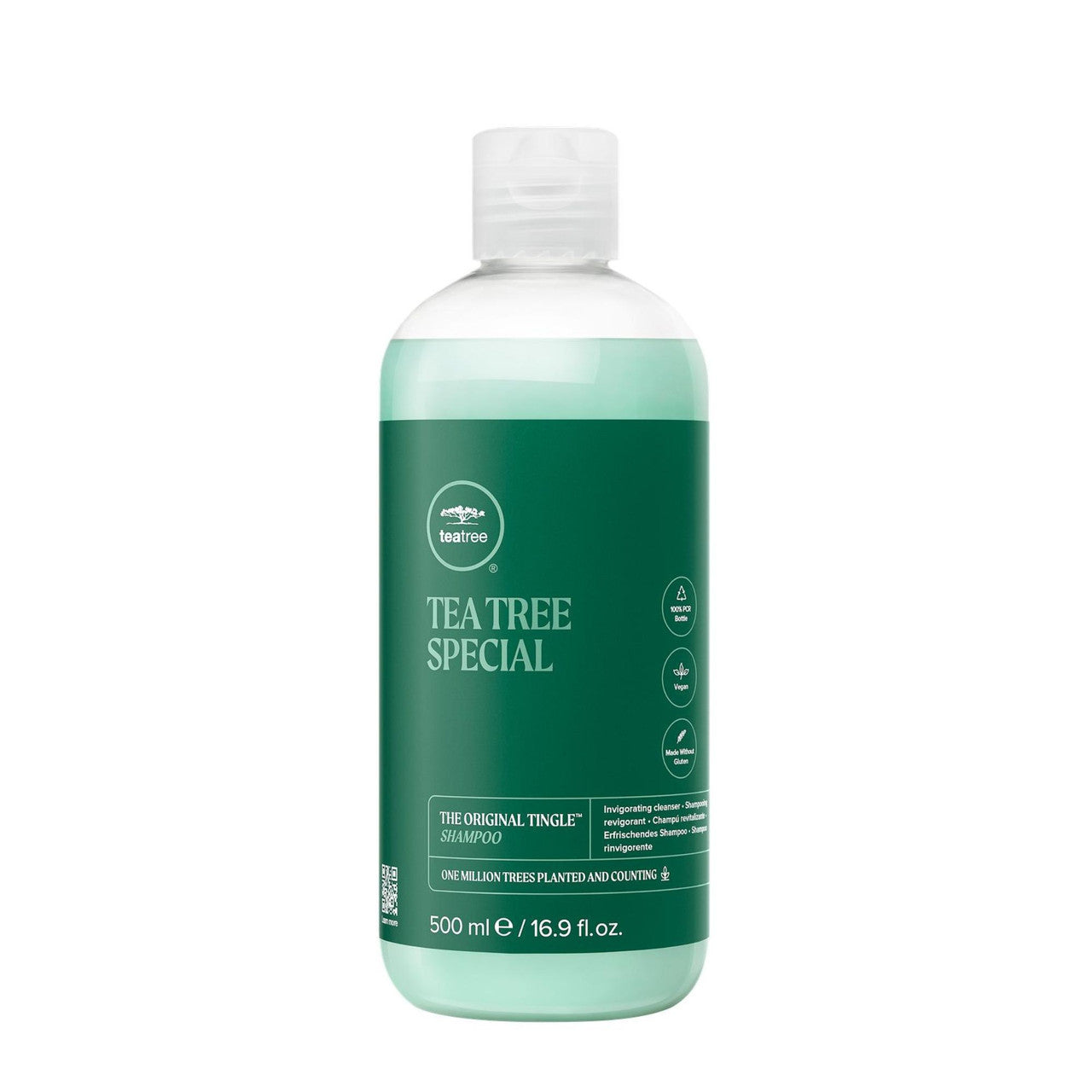
Paul Mitchell Tea Tree Special Shampoo is the one we recommend most often for oily hair and oily scalps. It's a salon classic for good reason. The formula is built around three active botanicals: tea tree oil, peppermint and lavender. Tea tree is naturally antimicrobial and helps balance the scalp environment. Peppermint adds a tingling sensation (the part you'll either love or find too much) and stimulates circulation. Lavender softens the overall effect so it doesn't feel like a chemistry experiment.
What you actually notice when you use it: a thorough clean that lifts oil and buildup, a scalp that feels properly clean rather than just rinsed, and (for most people) a longer gap before the hair starts looking greasy again. It's not sulphate-free, which is part of why it cleanses as effectively as it does, but the surfactants are gentle enough for regular use.
We've sold Paul Mitchell at Revive in Codsall for over a decade and Tea Tree Special is consistently one of our most repeated purchases. Clients buy a bottle, they're back for the next one. That's a pretty reliable signal that it does what it says.
For Oily and Fine Hair: Tea Tree Lemon Sage Thickening Shampoo
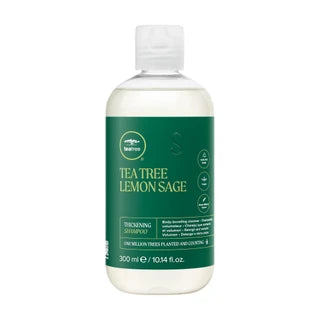
If your hair is oily and fine, you have a slightly different brief. You want the scalp cleansed properly, but you also want the hair itself to look fuller and more lifted at the roots. Standard cleansing shampoos can flatten fine hair further by stripping out any volume-supporting residue along with the oil.
Paul Mitchell Tea Tree Lemon Sage Thickening Shampoo is designed exactly for that combination. The lemon and sage botanicals give a similar deep-clean effect to Tea Tree Special, but the formula also includes thickening agents that coat each strand to make the hair feel and look denser. Used regularly, it gives fine, oil-prone hair the best of both: a clean scalp and noticeably more body at the roots.
If you're between Tea Tree Special and Tea Tree Lemon Sage Thickening, the deciding factor is hair density. Fine or thinning hair: Lemon Sage. Medium to thick hair with oily roots: Tea Tree Special.
Complete the System: Lemon Sage Conditioner and Treatment
The Lemon Sage Thickening range works as a complete three-step system, and using all three together gives noticeably better results than the shampoo on its own.
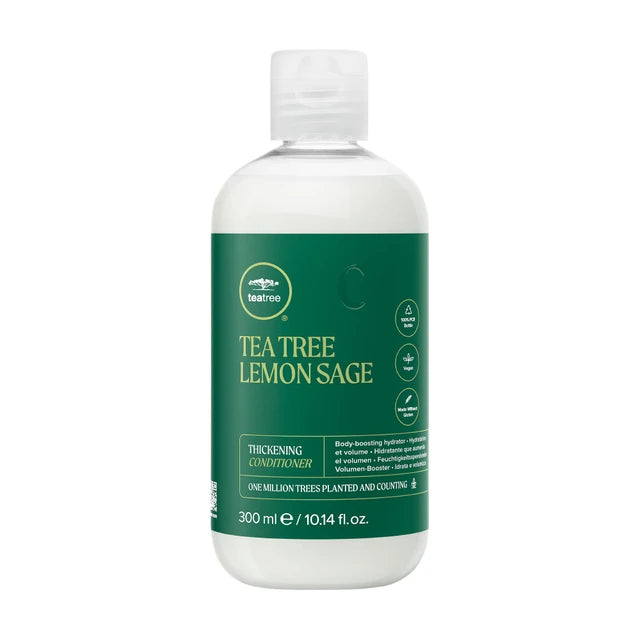
Paul Mitchell Tea Tree Lemon Sage Thickening Conditioner is the lightweight follow-up to the shampoo, formulated specifically not to weigh fine hair down. Apply to mid-lengths and ends only (never the roots if your scalp runs oily), leave for a minute, then rinse. It keeps the thickening benefit going without adding the kind of heaviness most conditioners do.
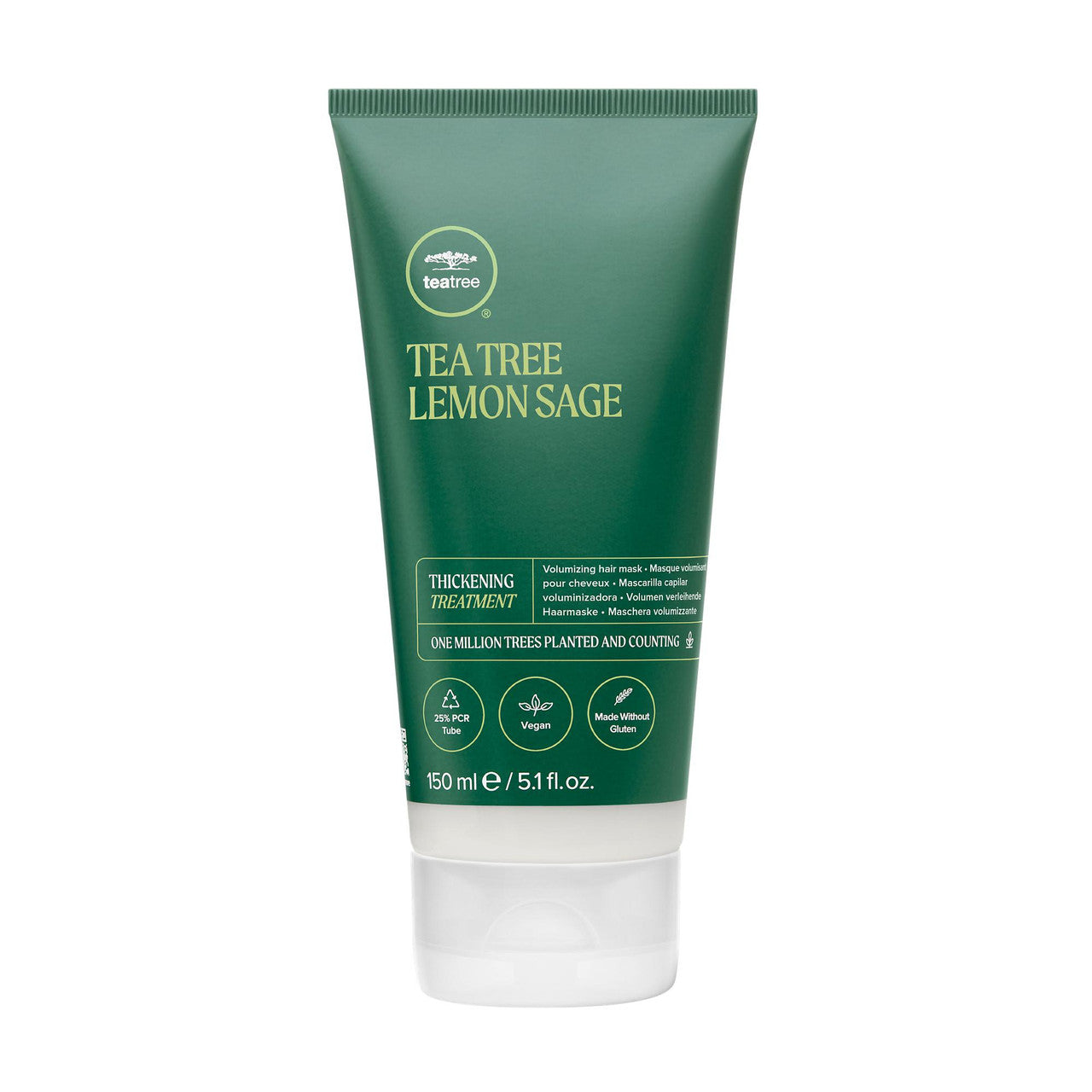
Paul Mitchell Tea Tree Lemon Sage Thickening Treatment is a leave-in spray that adds the third layer. Spray it onto damp hair after washing, before you blow-dry or air-dry. It builds visible body and lift through the lengths, which is where fine hair tends to fall flat by mid-afternoon. Used together, the shampoo, conditioner and treatment compound on each other in a way that no single product can match.
If you're serious about tackling oily, fine hair properly, the three-product Lemon Sage system is the answer.
For Oily and Colour-Treated Hair: A Different Approach
If your hair is colour-treated, you'll want to be careful with both of the above. Tea Tree Special is a thorough cleanser, which can shorten colour life if used every wash. The same goes for any clarifying shampoo.
For oily, colour-treated hair, we usually recommend rotating: use Tea Tree Special once or twice a week to genuinely clarify the scalp, then a gentler colour-safe shampoo on the other wash days. Paul Mitchell's Awapuhi Wild Ginger range and Clean Beauty Color Protect both work well as the gentler everyday option. You can find both in the wider Paul Mitchell collection at Revive.
How to Wash Oily Hair Properly
The shampoo only does half the work. Technique does the other half. Here's how we tell clients to wash oily hair for best results:
- Get the hair properly wet first. Cold or lukewarm water, not hot. Hot water stimulates oil production. Spend longer than you think rinsing before the shampoo goes anywhere near your hair.
- Apply shampoo to the scalp, not the lengths. Emulsify a small amount between your palms, then work it into the scalp with your fingertips (not your nails). The lengths get cleaned by the suds rinsing through, which is enough for most people.
- Massage for 60 seconds. Most people shampoo for about 10 seconds. Tea Tree Special in particular works much better with proper contact time on the scalp. Let it do its job.
- Double cleanse if you've been heavy on product. A first rinse and a second shampoo isn't necessary every wash, but if you've used heavy styling products or dry shampoo for a few days, the second cleanse genuinely lifts buildup.
- Condition mid-lengths to ends only. Roots don't need conditioner. Conditioner near the scalp weighs the roots down and adds to the oily look.
- Rinse with cool water at the end. Helps the cuticle lie flat for shinier hair and reduces post-wash sebum stimulation.
Routine Tips for Keeping Oily Hair Looking Fresh for Longer
The shampoo and the wash technique cover the basics, but a few habits between washes make a bigger difference than most people expect:
- Stop touching your hair. Genuinely. Every time your fingers run through your roots, you're transferring oil from your hands and stimulating more sebum production at the scalp. The flatter and oilier the hair, the more people fidget with it, the worse it gets.
- Keep brushes clean. Brushes pick up oil, product and dead skin. Using a dirty brush re-deposits all of that back onto fresh-washed hair. Wash brushes weekly with a brush cleaner or warm soapy water.
- Pillowcases matter. Cotton pillowcases absorb oils and re-deposit them the next night. Silk or satin pillowcases (washed weekly) make a noticeable difference.
- Go easy on dry shampoo. Dry shampoo is fine in moderation, but it doesn't remove oil, it just absorbs it. Over time it builds up on the scalp and contributes to the buildup that makes oily hair worse. Use it for a one-day stretch, not as a multi-day strategy.
- Scalp exfoliation once a week. A scalp scrub or clarifying treatment once a week removes the buildup that everyday shampoo leaves behind. Paul Mitchell's Tea Tree Special Detox Foaming Salt Scrub is brilliant for this if you want a proper scalp reset.
Oily Hair Shampoo FAQs
Is Paul Mitchell Tea Tree Special Shampoo sulphate-free?
No, Tea Tree Special contains sulphate-based surfactants, which is part of why it cleanses so effectively. If you specifically need a sulphate-free option for oily hair (for example because of a sensitive scalp or chemically treated hair), look at our sulphate-free shampoo collection for alternatives. Sulphate-free can still cleanse well, it just typically takes a slightly longer massage to lather properly.
How often should I wash oily hair?
The honest answer is, it depends on your scalp, but for most oily-haired people three to four washes a week with a balancing shampoo gives better results than daily washing. Daily washing tends to over-stimulate sebum production. If you're currently washing every day and feel like you can't go longer, build up to it gradually. Add a half-day each week and your scalp will adjust.
Why does my hair get oily by the next day even after washing?
Several possibilities. Common ones: you're using a shampoo that strips the scalp and triggers rebound oil production, you're conditioning at the roots, you're touching your hair constantly, your pillowcase is overdue a wash, or the shampoo just isn't right for your scalp type. Try Tea Tree Special with the proper wash technique above for two weeks before drawing conclusions. Most people see a difference inside that window.
Will Tea Tree Special Shampoo dry out my ends?
Only if you use too much of it on the lengths. Apply it to the scalp, let the suds rinse through the lengths, and follow with a lightweight conditioner on the mid-lengths and ends only. That keeps the cleansing power where you need it and the moisture where you need that. If your ends are particularly dry to begin with, a weekly hydrating mask is a good addition.
Is Paul Mitchell Tea Tree shampoo vegan?
The Tea Tree range is cruelty-free across the board, but individual product vegan status varies. The Paul Mitchell Clean Beauty range is fully vegan if that's a priority. Check the individual product page for confirmation on each specific formula.
Can men use Paul Mitchell Tea Tree Special for oily hair?
Absolutely, and many do. Tea Tree Special is genuinely unisex despite the Tea Tree range often being marketed at men. The scent is fresh and clean rather than feminine or floral, and the formula works equally well on shorter men's styles and longer hair. Pair it with one of the MITCH styling products if you want a complete Paul Mitchell men's grooming setup.
What's the difference between a clarifying shampoo and a regular shampoo for oily hair?
A clarifying shampoo (sometimes called a detox or chelating shampoo) is designed to deep-clean and remove buildup. Most people use one once a week or every couple of weeks rather than daily. A regular shampoo for oily hair (like Tea Tree Special) is designed to balance daily, with enough cleansing power for oily scalps without being so aggressive that it strips the hair completely. Most oily-haired people benefit from a balancing shampoo as the daily driver, plus an occasional clarifying treatment to reset.
Browse our full Paul Mitchell shampoo range, the wider Paul Mitchell collection, or our complete shampoo collection across all brands. We're a working hair salon, not a faceless reseller, so if you're stuck between two shampoos or your scalp situation is more complicated than the standard answers cover, drop us a message and we'll talk you through it.
Free UK delivery on every Paul Mitchell order at Revive Hair Artists.


