

When Were Hair Straighteners Invented?
Thomas Strangwood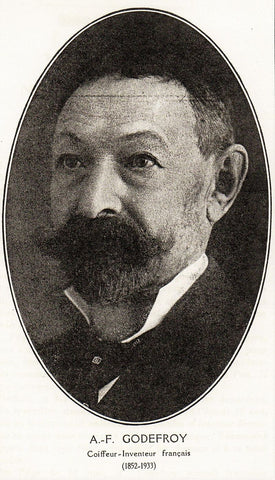
The first patent for a hair straightener was filed in 1872 by Alexandre-Ferdinand Godefroy, a French hairdresser. His device was a metal rod heated over an open flame — rudimentary by today's standards, but the beginning of an invention that would change hairstyling forever.
The First Commercial Hair Straighteners (Early 1900s)
It wasn't until the early 1900s that hair straighteners began to be mass-produced and sold to the public. In 1906, Simon Monroe, an American inventor, created one of the first commercial straighteners — a metal comb heated over a gas flame. It was neither particularly effective nor safe, but it planted the seed for what was to come.
In 1911, Gabriel Kazanjian patented the first handheld electric hair straightener. Made from ceramic and powered by electricity, Kazanjian's design was a significant leap forward — far safer and more effective than anything that had come before, and much closer to the tools we recognise today.
Who Really Invented the Modern Hair Straightener?
While Godefroy and Kazanjian laid the groundwork, the modern flat iron as we know it is largely credited to Theora Stephens, an African American hairdresser from Illinois who patented a heated straightening comb in 1909. Her design influenced the development of flat irons for decades. Lady Jennifer Bell Schofield is also credited with patenting a version of the flat iron in 1912.
Hair Straighteners Through the Decades
1960s–70s: As straight, sleek hair became fashionable, demand for straighteners surged. Women with naturally curly or wavy hair turned to straighteners as an everyday styling tool for the first time.
1980s: The era of "big hair" ironically also drove straightener sales — the blowout and smooth, glossy styles were just as coveted as volume. Professional ceramic straighteners became standard in salons.
1990s: Prices dropped significantly, making straighteners accessible to the everyday consumer. Men also began using them as part of their regular grooming routines.
2000s–present: Technology advanced rapidly — titanium plates, ionic technology, adjustable heat settings, and automatic shut-off features transformed straighteners into precision tools. Professional-grade straighteners became available for home use.
How Have Hair Straighteners Changed Hairstyling?
Hair straighteners have given people with curly, wavy, or textured hair the freedom to wear their hair any way they choose. They've also become a versatile styling tool well beyond simply straightening — today's flat irons can create waves, curls, flicks, and a wide variety of looks.
The flip side is heat damage. Used incorrectly — too high a temperature, too frequently, or without protection — straighteners can leave hair dry, brittle, and prone to breakage. The golden rules are to always use a heat protectant spray before styling, keep your temperature appropriate for your hair type, and avoid passing over the same section repeatedly.
If you're looking to upgrade your tools, browse our full range of professional hair straighteners — from everyday irons to salon-grade flat irons used by professional hairdressers.
Frequently Asked Questions About Hair Straighteners
When were hair straighteners invented?
The first patent for a hair straightener was filed in 1872 by French hairdresser Alexandre-Ferdinand Godefroy. The first handheld electric straightener was patented in 1911 by Gabriel Kazanjian, and modern flat irons evolved through the 20th century into the precision styling tools we use today.
Who invented the hair straightener?
Several inventors contributed to the development of the hair straightener. Alexandre-Ferdinand Godefroy filed the first patent in 1872. Gabriel Kazanjian patented the first electric handheld straightener in 1911. Theora Stephens, an African American hairdresser, patented an influential heated straightening comb in 1909, and Lady Jennifer Bell Schofield patented a flat iron design in 1912.
When was the flat iron invented?
The flat iron as we know it today evolved from patents filed in the early 1900s. Lady Jennifer Bell Schofield patented a flat iron in 1912, and Theora Stephens' 1909 patent for a heated straightening comb is widely considered a key precursor to the modern flat iron.
Are hair straighteners bad for your hair?
Heat styling can cause damage if used incorrectly, but straighteners used properly with a good heat protectant are safe for most hair types. Key tips: always apply a heat protectant before use, choose a temperature suited to your hair type (lower for fine or damaged hair, higher for thick or coarse hair), and avoid going over the same section more than once or twice.
What temperature should I use on my hair straighteners?
As a general guide: fine or damaged hair should use 160–180°C, normal hair 180–200°C, and thick or coarse hair up to 220°C. Going higher than necessary for your hair type is the most common cause of heat damage. Always use a heat protectant regardless of temperature setting.
What is the difference between ceramic and titanium straighteners?
Ceramic straighteners heat evenly and are gentler on hair, making them ideal for everyday use and finer hair types. Titanium straighteners heat up faster, maintain temperature better, and are better suited to thick, coarse, or hard-to-straighten hair. Professional hairdressers often favour titanium for speed and performance in a salon environment.